
010PAY Decision: Source Indication for Mobile Apps and App-Based Services
Patent Court Case No. 2025Heo10405, known as the 010PAY decision, addresses whether a mark displayed in a mobile app indicates the source of the app as Class 9 software or the source of services supplied through the app. The court examined the app's functions, transaction structure, revenue model, payment method, and app-market policies.
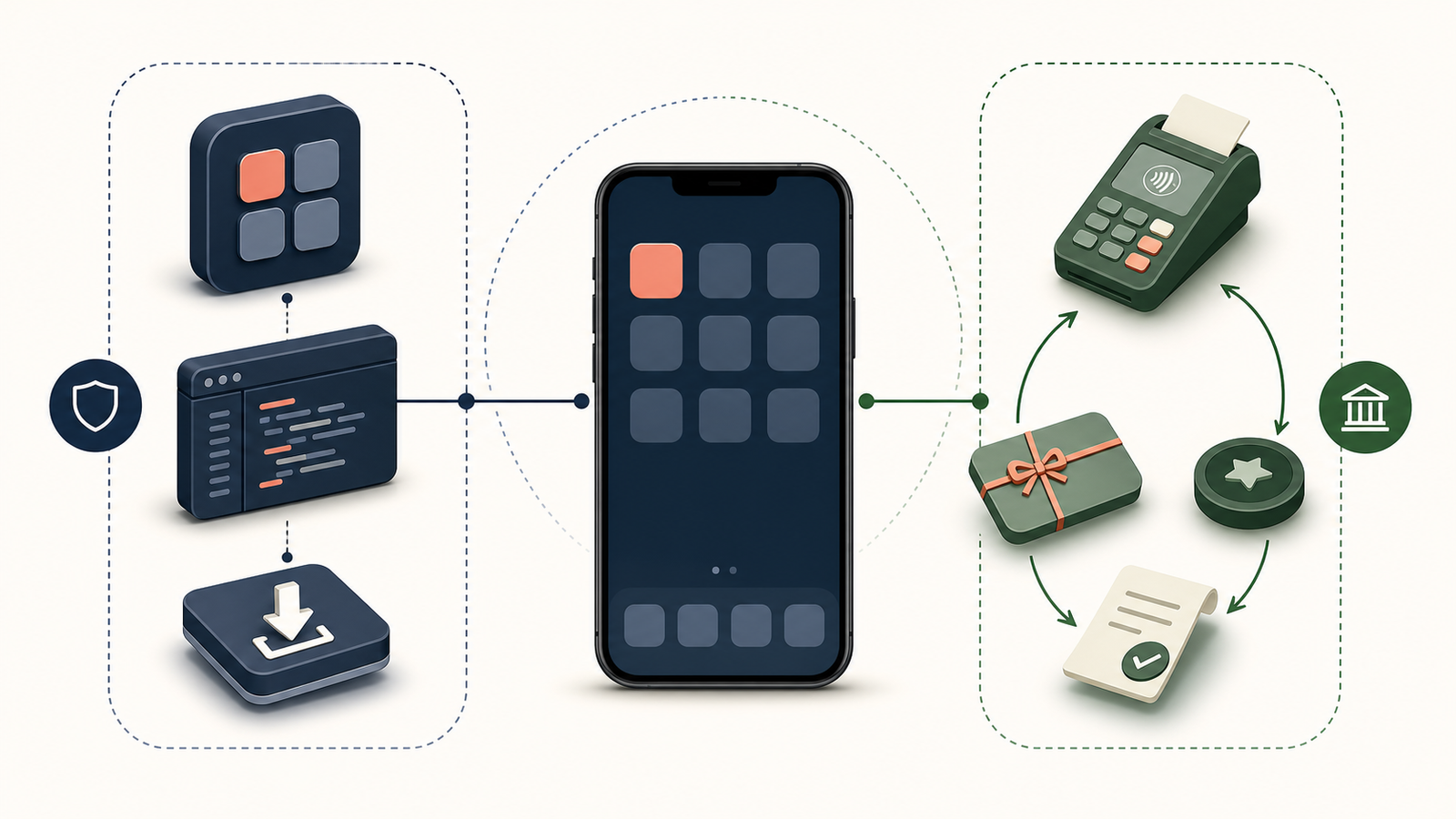
The court held that the disputed mark indicated the source of services provided through the app rather than the app itself. Display of a mark on an app icon, name, or screen was not conclusive.
Case structure
The plaintiff owned registered Class 9 trademarks covering downloadable computer programs and mobile application software. The defendant owned Class 36 registrations covering mobile payment services, electronic financial transactions, and mobile payment intermediary services.
The defendant operated the “010PAY” mobile app and displayed the disputed mark in connection with that app. The plaintiff filed an affirmative action for confirmation of scope of rights, alleging that the defendant's use fell within the plaintiff's Class 9 rights.
The Intellectual Property Trial and Appeal Board found that the mark indicated the source of services supplied through the app, not the mobile-app goods specified by the plaintiff. It therefore found no legal interest in the requested confirmation. The Patent Court upheld that result and dismissed the claim.
Source indication for an app product and for app-based services
A mobile app may qualify as goods under trademark law when the app itself is offered as the object of a transaction and users acquire it for its own functions or content.
Source indication is determined from the substance of the transaction. Relevant evidence includes the object for which consideration is paid and the source that consumers understand the mark to identify. The appearance of a mark on an app icon, screen, or name is one part of that assessment.
When an app functions as a tool or channel for external goods or services, consumers may understand the mark to identify those services or their provider. The classification and enforcement analysis must follow the actual transaction structure.
App functions and user transactions
The 010PAY app allowed users to purchase mobile gift certificates, process payments, and accumulate or use points. Its functions supported transactions completed at offline stores or external affiliated merchants.
Users installed and operated the app to carry out those external transactions. The court therefore treated the external goods and services, rather than the software alone, as the substantive transaction objects.
Revenue structure
The court also examined how the operator earned revenue. The defendant did not receive payment merely for installation or ordinary use of the app. Revenue arose from commissions and completed external transactions, including sales of mobile gift certificates.
This revenue structure supported a finding that consumers would identify the mark with the payment and transaction services supplied through the app.
Payment method and app-market policies
The court considered Google and Apple payment policies. In-app payment systems commonly apply to digital content or services consumed within an app, while goods or services fulfilled outside the app may use external payment methods.
The transactions in 010PAY used external payment methods rather than the app-market operator's in-app payment system. This evidence supported treatment of the app as a tool for external transactions.
Legal interest in the scope-confirmation action
The plaintiff identified the defendant's use as use on “mobile apps.” The court instead characterized the actual use as use for services supplied through the app. That mismatch affected the legal interest required for the affirmative scope-confirmation action.
The petition in such an action must accurately identify the mark as used and the relevant goods or services. A petition directed to software goods may not resolve the dispute when the challenged use concerns payment or other services.
Filing considerations for app brands
- App supplied as a product: Class 9 software protection is relevant when users pay for or consume the app's own functions or content.
- App used as a service channel: Payment, finance, commerce, reservation, brokerage, membership, delivery, education, and content services require the corresponding service classes.
- Revenue evidence: App sales, subscriptions, advertising, transaction fees, payment-processing fees, and brokerage income may indicate different transaction objects.
- Payment flow: In-app or external payment methods and app-market policies help identify where consumption and performance occur.
- Actual use: Terms of use, app-market listings, user journeys, payment records, and transaction documents should support the asserted characterization.
Enforcement evidence
App screenshots alone may not establish whether a mark is used for software goods or for services. An enforcement record should include terms of use, payment structure, app-market registration information, revenue method, user flow, and the goods or services obtained by the user.
Applications for app-based businesses should cover the software goods and service classes that correspond to the actual commercial model. A scope-confirmation or infringement claim should use the same transaction-based classification.
Practice point from the 010PAY decision
The 010PAY decision requires a fact-specific source-indication analysis. App functions, user transactions, revenue, payment methods, and app-market policies determine whether the mark identifies software goods, app-based services, or both.